

Gutter and Downpipe Repairs Near Me
A gutter system is vital for draining water from a roof. If it isn't able to do so cause damp issues, that could cost you a significant amount of money.
A little sagging isn't a problem however if the guttering completely collapses it will have to be replaced or repaired. This is something that an expert can help with.
Gutters
Guttering is an essential part of any home drainage system. It assists in managing rainwater and stops it from accumulating on the foundations of structures and causing damage or mold. However, downpipes and gutters do need regular maintenance to keep them working as they are supposed to. It is essential to repair your gutters as soon as you can to avoid future problems and ensure that your home is secure and water-tight.
The main function of gutters is to collect and channel rainwater into downpipes, which then carry it away from the roof or at ground to the ground. Downpipes are made from the same materials as guttering and are typically affixed to an exterior wall. Ideally, they should be spaced evenly throughout a structure, and should be properly secured to prevent leaks or structural issues.
A common issue with gutters is standing water that can develop when gutters get blocked or sloped incorrectly. You can't ignore this issue because it can cause flooding in basements, damage to the roof and even pest infestations.
click for info is possible to resolve the issue of standing water by cleaning your gutters. If the issue persists, it is recommended that you hire a gutter repair company. If you're looking to clean your gutters or replace them completely, a professional can help you to find the most cost-effective solution.
If your gutters aren't draining and you are not sure what to do, consider installing a new gutter stop-end. Most hardware stores sell this. Make sure that all gutter connections are sealed, including the end caps, drops outlets, and splices. To accomplish this, you should use a metal-sealing sealing sealant.
If your guttering is rusty you can clean it using an emery or wire brush. If you're able reach the area, you can paint over the rusty areas using a rust-inhibiting primer, and then apply gloss or black bitumen.
Downspouts
Gutter downspouts are primarily used to channel rainwater into the drainage area. They are essentially pipes which connect to the bottom of the section of gutter. They direct the water from the roof into a suitable area where it cannot seep in the foundation.
Gutter downspouts can be constructed from a variety of materials such as vinyl (PVC), galvanized steel (PVC), copper, and aluminum. They can be connected to a section of gutter by fitting over the drop outlet or screwed into supports for downspouts. Most suburban homes come with the K-style downspout. These are a half-round shape and have a good chance of resisting clogs from sticks and other debris that could be carried in by the wind.
Downspout extensions may also be added to downspouts in order to assist with the flow of rainwater. These are hose-like extensions that are usually placed on the bottom of the downspout, helping to divert water further away from the foundation of the building. Downspout extensions can be placed underground to avoid dangers of tripping.
Make sure to check your downspouts on a regular basis to ensure that they aren't damaged or blocked. This can lead to the accumulation of rainwater, which can cause structural damage to your home. You can check your downspouts by looking at the ground around the downspout. Look for evidence of standing water or pools.
If you observe any of these signs, it is a good idea to call for gutter repair services. In the majority of cases the issue can be resolved by cleaning the downspouts regularly and ensuring they are not blocked or clogged with debris. It is suggested homeowners to clean their downspouts at least twice a year. In spring, they should do it once and in the autumn.
It is important to make sure that the downspouts are long enough to allow the rainwater to be directed away. If the downspout is not long enough it could be clogged or overflow with water, which can damage the gutter system and eventually cause structural issues.
Metal downpipes
A good quality downpipe is crucial for a rainwater management system, especially in a climate that is humid like Queensland. Without one your eavestroughs may become overloaded and damage foundation, walls fascia, soffit, and roofing components. This could be extremely costly.
Metal downpipes can be used in a variety of projects, and are suitable for all kinds of buildings. They are available with an electrogalvanised finish for an elegant, simple appearance or prepainted RAL7016 Anthracite Grey or other colours for a more eye-catching aesthetic. They also have a sturdy 4 layer factory-applied coating, which guarantees durability and resistance to harsh weather conditions.
They are available in round 80mm and square 100mm sizes that allow you to pick the best size for your project. They are compatible with both steel and aluminium gutter systems. They are simple to install, and the installation instructions are provided in both video and PDF formats with a simple design and easy assembly. They are easy to maintain and require little maintenance and cleaning.
It is important to take into account the overall aesthetics of your project when choosing the proper downpipe. The color, finish and style of your guttering will impact the overall look of the building. You'll need to select a downpipe that complements the gutter and roof while also blending into the colour scheme of your building.
Additionally, the downpipes must be designed in a manner that allows for maximum water flow and drainage. This will minimise the risk of blockages, ensuring that your gutters and spouts operate effectively and efficiently.
Not least, it's important to remember that a downpipe must be installed for every 12 m in length of gutter. This will ensure that you are able to drain water properly during heavy rains or storms. This will stop the water from leaking into your home and flooding it.
If your downpipes have been damaged, it is crucial to get them repaired as soon as possible to prevent more serious problems. A clogged drain can cause extensive damage, including rotting fascia and soffit board as well as wood rot and mould growth.
PVC downpipes
Guttering and drainpipes are made to serve the purpose of diverting excess water away from your foundations and walls. When they develop a leak, it can cause costly damage. Repairing or replacing the damaged part is the best method to safeguard yourself from the harm caused by a leaking downpipe. In this blog, we will look at the different approaches you can use to accomplish this, and offer some suggestions on how to do it yourself.
The first step to repair downpipes is to clean it. A build-up of leaves, dirt and debris can lead to blockages that stop water from flowing through the pipe. This can cause damage to the pipe itself or force it to make use of any gaps or cracks, leading to the possibility of a leak. To avoid this, make sure you clean the gutters on a regular basis and use a telescopic gutter cleaner to clear out any obstructions.
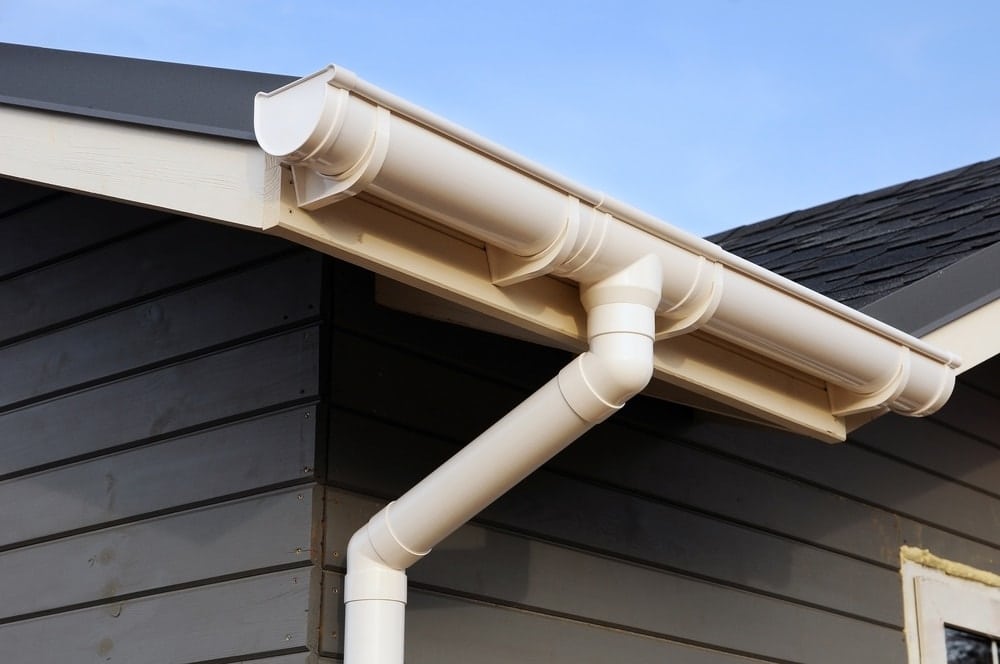
The spigot is located at the bottom of your pipe. This is the part that connects the guttering to the drainpipe. If it's loose, you will need to tighten it by hand. If the spigot is totally removed, you will need to remove the downpipe.
If the downpipe is leaking at the hopper, it may be due to debris blocking it. Try covering the head of the hopper using a tarp and running water from a garden hose into it to dislodge the obstruction. If this fails to clear the blockage, make use of the drain rod.
Leaking or damaged parts of pipe are often repaired with a rubber patch. This is a simple and cheap solution, but it should be considered only a temporary solution. Rubber patches are readily available in a variety of DIY stores. However, you can make your own using an old inner tube.
Alternatively, you can seal the damaged or leaky part of pipe by using waterproof tape. Firstly clean the area to be repaired thoroughly and then apply the waterproof tape. Make sure the leak is completely covered and that both ends are overlapping. Once the tape has been put in place, it's a good idea smooth the surface of the pipe with your finger to ensure there aren't any air bubbles.